Kingdom of Rana

Introduction
The Kingdom of Rana is a constitutional and elective monarchy located directly south of India and west of Australia. It is ruled by a king who is chosen by a collection of tribal chiefs, each one represents one of the diverse people groups found on the island. The nation is well known as a biodiversity hotspot, and is home to many species of plants and animals. The rugged, mountainous terrain is sparsely populated, and the coast is home to many fishing villages. The capital, Sevana, is located in a cleared area of land in the southern part of the main island, Asava. The area has a tropical climate characterized by heavy year-round rainfall. Higher elevations experience cold temperatures and even snow during winter. The highest point is Raka Volcano. The upland areas are extremely arid and cool and not suitable for agriculture, the main industry of the nation.
The country was first settled by Bantu people from East Africa. Later, Polynesians traveling westward from the Pacific settled in the southern islands. Explorers and merchants from India established trading posts in the island. During colonization by European nations, Portugal gained control of the northern islands, establishing the colony of the Ranho. The Kingdom of Rana was established in 1904, and gained control of the small northern islands, called the Sayvat Belt, in 1967.
Geography
There are four provinces, the Northern Province, Savyat Province, Sevana Province, and Masareva province. The capital of the country, Sevana, has a population of 48,200 and is located at approximately 2,000 feet above sea level.
The main river, the Sol river, is the primary source of fresh water for many of the island’s inhabitants.

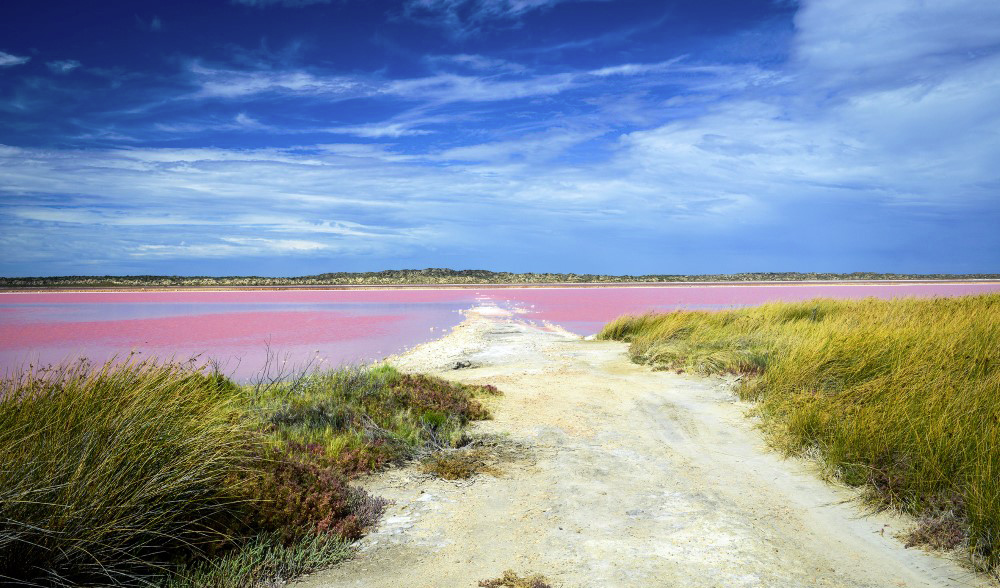
One of the many pink lakes, Kata Lake, located west of Sevana, is located in the Kingdom of Rana. This unique occurrence is the result of the presence of algae in the water.
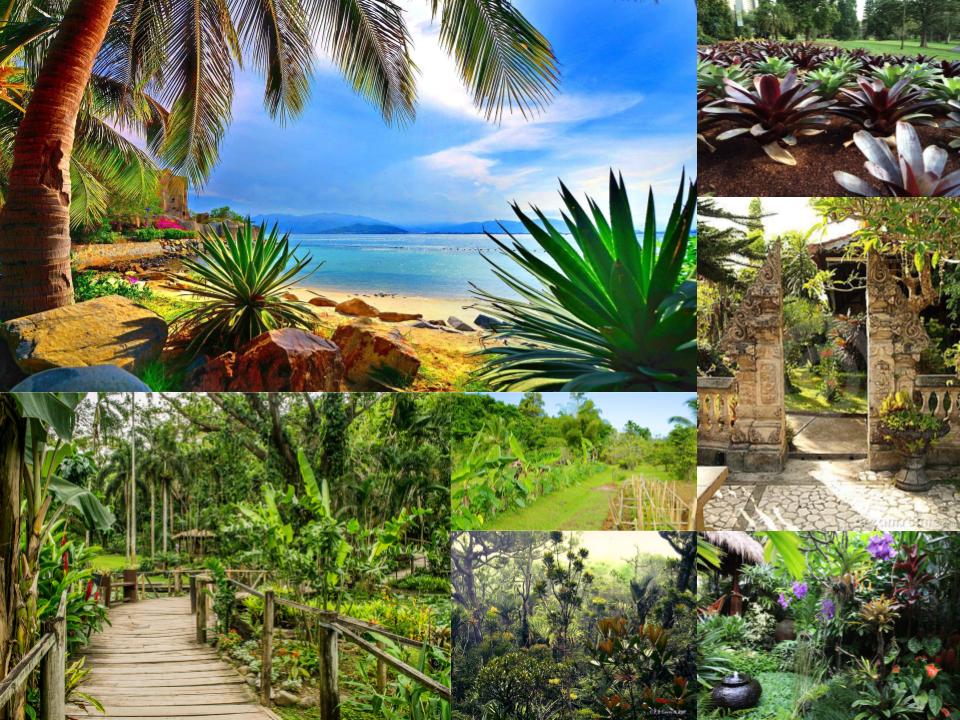
A collection of various sights in the Kingdom of Rana.
National Symbols
National Bird: Arasaya Macaque
National Flower: Plumeria pudica (Plumeria, not native)
National Tree: Pouteria karavara (Karavara Tree, endemic)
National Fish: Istiophorus platypterus (Indo-Pacific Sailfish)
Economy
Coconuts, coffee, ginger, bananas, taro, fish, tourism, salt, borax
Comments
Post a Comment